


When you hold a handmade crochet cardigan, you are holding something that took between 20 and 40 hours of skilled human labour to create. Every stitch was formed by hand, every panel joined with intention, every detail checked by experienced eyes. In a world of fast fashion and machine-made everything, that is quietly extraordinary.
At Ana Chic, our garments are made by women artisans in Turkey using traditional techniques passed down through generations. Here is the full journey of how a single piece goes from a ball of yarn to a finished garment hanging in our Brighton shop or arriving at your doorstep.
Step 1: Selecting the Yarn
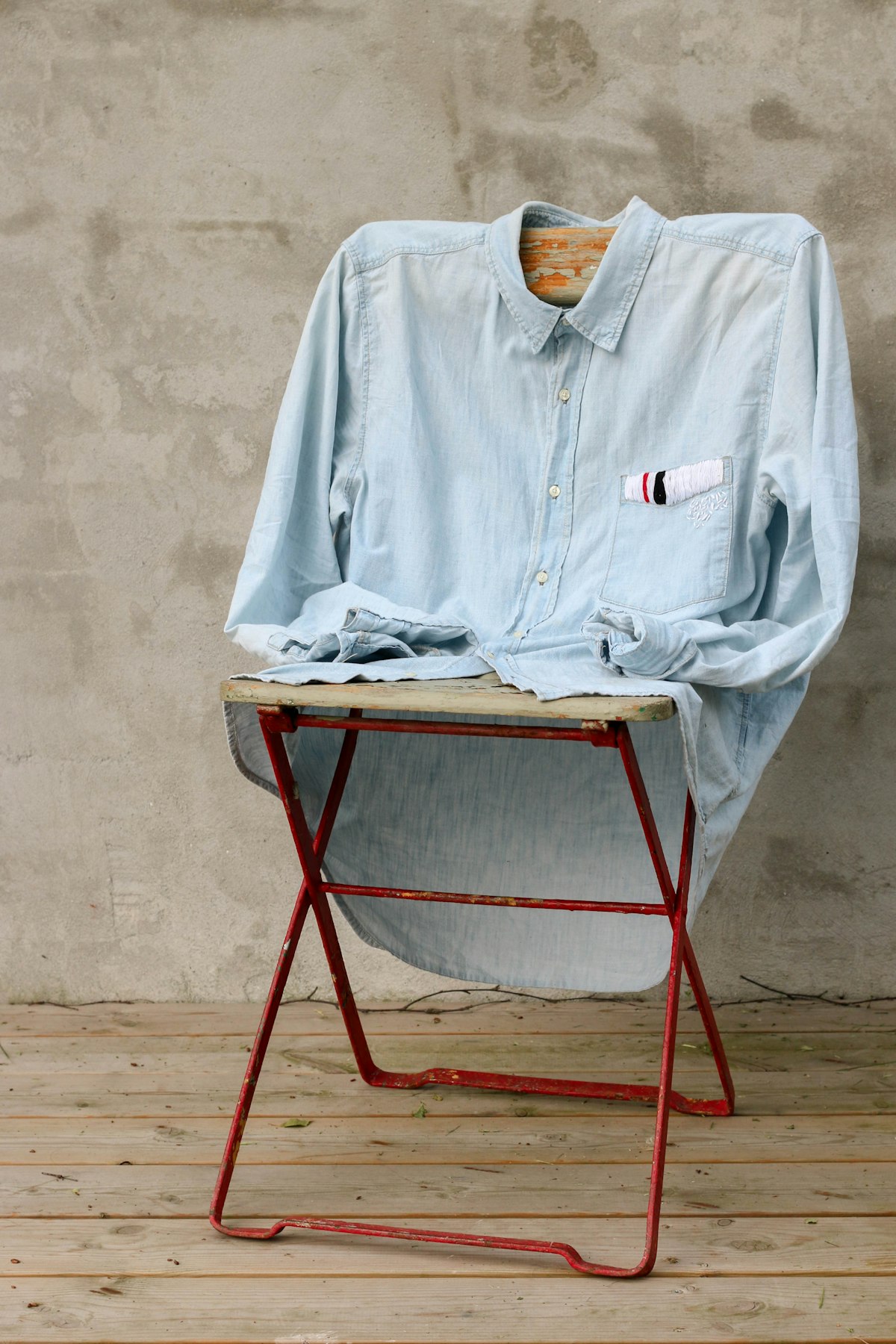
Everything begins with the material. We work primarily with organic cotton that is GOTS and OEKO-TEX certified, meaning it is grown without harmful pesticides and processed without toxic chemicals. For our winter collections, we also use chunky wool and merino-alpaca blends that provide warmth without weight.
Yarn selection is not simply about choosing a colour. The weight of the yarn determines the drape and structure of the finished piece. A lightweight cotton creates an airy, breathable top perfect for summer, while a chunky wool produces the kind of oversized, cosy cardigan you want to wrap yourself in on a cold evening.
We source our yarns from suppliers who share our commitment to sustainability. No synthetic fibres, no shortcuts. The quality of the finished garment begins here, in the raw material itself.
Step 2: Designing the Pattern in Brighton
While our artisans are based in Turkey, the design process happens in Brighton. Zeynep, our co-founder, creates each pattern with a deep understanding of both traditional Turkish crochet methods and contemporary British style.
A pattern is essentially a blueprint. It specifies the stitch type, the number of rows, the dimensions of each panel, and how the pieces will be assembled. For a garment like our Boho Crochet Cardigan, the pattern might include granny squares, open lacework panels, and ribbed edging -- each requiring a different technique.
This cross-cultural design process is central to what makes Ana Chic distinctive. The patterns blend British design sensibility with the artisanal heritage of Turkish craftswomanship, creating something that feels both modern and timeless.
Step 3: The Crocheting Process
This is where the real magic happens, and where the majority of those 20 to 40 hours are spent. Our artisans work from their homes in Turkey, fitting crochet work around their family responsibilities. Many are refugees who have found economic independence through their craft skills.
A typical garment starts with individual panels or motifs. For a granny square cardigan, the artisan will crochet dozens of individual squares, each one carefully made to the exact dimensions specified in the pattern. Consistency is crucial here -- if one square is even slightly larger than the others, the finished garment will not sit properly.
The construction process varies by design. Some pieces are worked in one continuous piece from top to bottom. Others, like our Mosaic Set, are assembled from multiple components that are crocheted separately and then joined together.
Each artisan brings her own touch to the work. The tension of the stitches, the neatness of the joins, the care taken with colour changes -- these subtle details are what give handmade crochet its character and distinguish it from machine-produced knitwear.
Step 4: Assembly and Joining
Once all the individual panels, squares, or sections are complete, the artisan begins the assembly process. This is a skill in itself. The method used to join pieces affects both the appearance and the structural integrity of the finished garment.
Common joining techniques include slip stitch seaming, whip stitch joining, and the mattress stitch for invisible seams. The choice depends on whether the join should be visible as a design feature or hidden for a cleaner finish.
Sleeves are attached, necklines are shaped, and hems are finished. For cardigans, button bands are added and buttonholes are carefully positioned. Every join is an opportunity for the garment to succeed or fail, which is why this stage requires just as much skill as the crocheting itself.
Step 5: Quality Checks and Finishing
Before any garment leaves our artisans, it undergoes a thorough quality check. We look at stitch consistency, colour accuracy, sizing accuracy, and overall construction quality. Any loose ends are woven in securely so they will not work free with wear and washing.
The garment is then gently washed and blocked. Blocking is the process of shaping a crocheted piece to its final dimensions while damp, then allowing it to dry in that shape. This step is essential for achieving a professional finish -- it evens out any slight inconsistencies in tension and gives the fabric its final drape.
Once dry, the garment is measured against the original pattern specifications one final time. Only then is it tagged, packaged, and sent to Brighton.
Why It Matters
In an industry where a factory can produce thousands of identical garments in a single day, a piece that takes 30 hours of hand labour might seem inefficient. But efficiency is not the point. The point is craft, quality, and human connection.
When you wear an Ana Chic garment, you are wearing something that was made specifically and deliberately. The artisan who made it was fairly compensated for her time. The materials are organic and sustainable. And the design was created to last for years, not weeks.
That is what slow fashion means in practice. Not a marketing phrase, but a genuine commitment to making things properly, by hand, one stitch at a time.
Curious to see the results? Visit our Our Story page to learn more about the women behind the craft, or explore our collections to find a piece that speaks to you.