


Fast Fashion Has a Problem
The average person buys 60% more clothing today than they did 15 years ago, yet keeps each item for only half as long. The result is 92 million tonnes of textile waste every year, polluted rivers, and workers paid pennies per garment. Fast fashion thrives on speed, volume, and disposability.
Slow fashion is the antidote. It is not a brand or a trend. It is a way of thinking about the clothes you buy, wear, and care for.
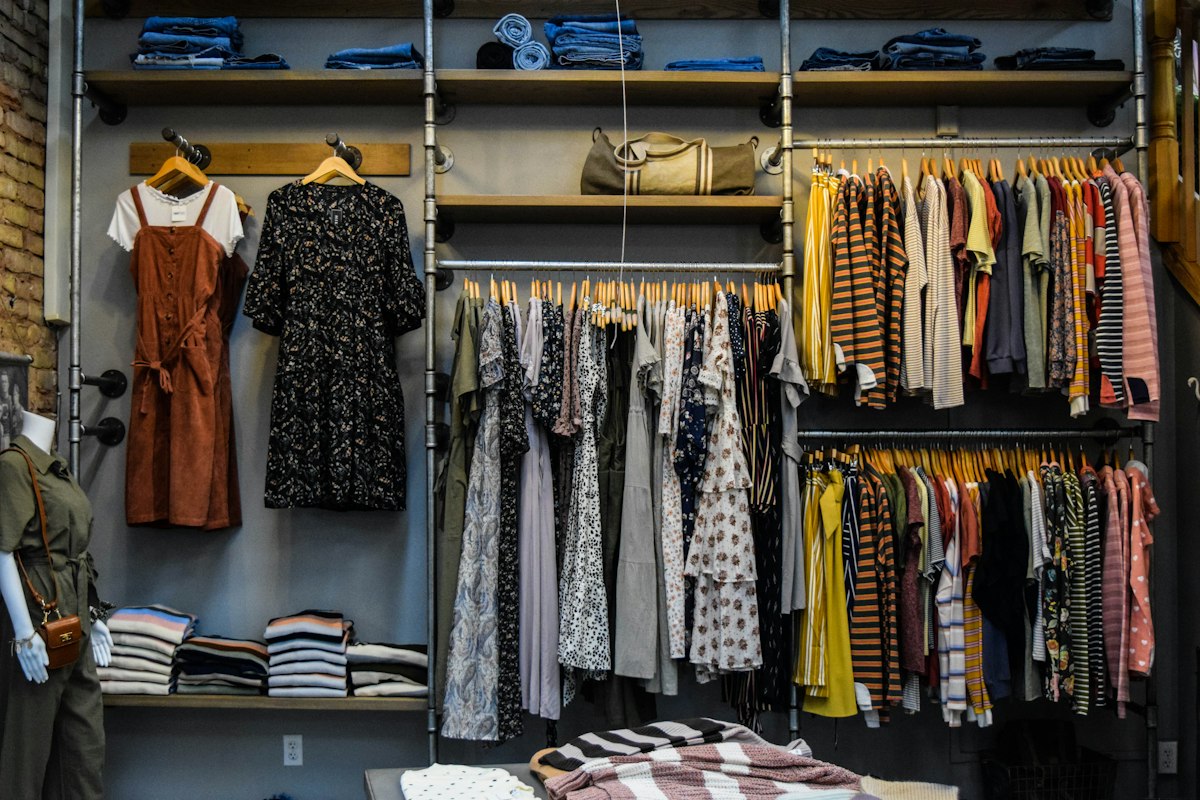
What Slow Fashion Actually Means
At its core, slow fashion is about intention. It means:
- Buying less, choosing well -- Fewer pieces that you genuinely love and will wear for years, not dozens of impulse buys that end up in the back of the wardrobe
- Knowing who made your clothes -- Understanding the hands, skills, and communities behind each garment. When a cardigan takes 30 hours to crochet by hand, it carries a story that no factory-made item ever could
- Prioritising quality materials -- Organic cotton, natural wool, and certified fabrics that feel better on your skin and tread lighter on the planet
- Valuing craftsmanship -- Traditional techniques like hand crochet and knitting create garments with character, texture, and individuality that machines simply cannot replicate
Five Ways to Start Your Slow Fashion Journey
You do not need to overhaul your entire wardrobe overnight. Start small:
1. Ask "Who made this?"
Before buying, check if the brand is transparent about its makers. At Ana Chic, every piece is handmade by women artisans in Turkey using traditional crochet and knitting techniques passed through generations.
2. Check the fabric
Look for natural, certified materials. Organic cotton uses 91% less water than conventional cotton and avoids toxic pesticides. GOTS and OEKO-TEX certifications are reliable markers of genuinely sustainable textiles.
3. Choose timeless over trendy
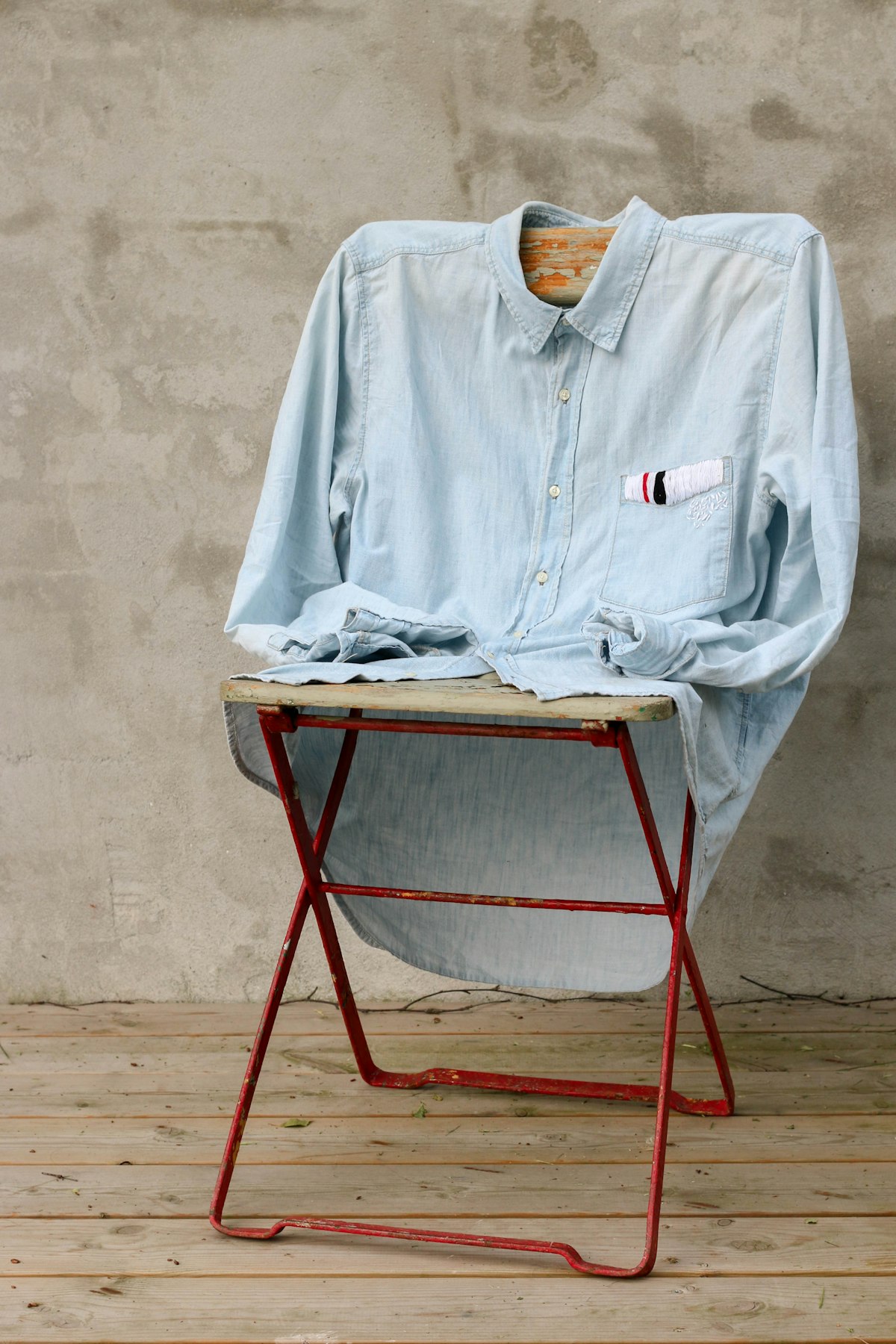
A well-made crochet cardigan or a handmade set works across seasons and years. Trends fade in weeks. Craftsmanship lasts.
4. Care for what you own
Hand wash gently, lay flat to dry, store folded. Proper care extends the life of handmade knitwear dramatically. Treat your clothes like the investments they are.
5. Support small and independent
When you buy from a small brand, your money goes directly to artisans, small teams, and local communities. It does not disappear into a corporate supply chain.
Why It Matters Now
The fashion industry produces 10% of global carbon emissions -- more than aviation and shipping combined. Every handmade garment that replaces a fast fashion purchase is a small but meaningful act of resistance.
Slow fashion is not about perfection. It is about progress. It is about asking better questions, making more thoughtful choices, and valuing the people who make your clothes as much as the clothes themselves.
How Ana Chic Fits In
Every Ana Chic piece is a slow fashion piece by nature. Our cardigans, tops, and bags are handmade from organic cotton and chunky wool by women artisans working from home in Turkey. No factories. No mass production. No waste. Each item is made in small batches -- most are one of a kind -- and designed in Brighton to bridge British style with Turkish craftsmanship.
When you choose handmade, you are not just buying a garment. You are supporting a maker, preserving a craft, and choosing a more sustainable future.
Ready to explore? Browse our best sellers or visit us in Brighton at 21A Prince Albert Street.