


Zero waste fashion is one of the most talked-about concepts in sustainable style, yet it remains one of the most misunderstood. Brands use the term freely, consumers search for it eagerly, and the reality sits somewhere between aspiration and honest effort. At Ana Chic, we believe you deserve a straightforward explanation of what zero waste fashion actually involves, where the fashion industry currently stands, and what we do in practice to minimise our environmental footprint.
The Scale of the Problem: Textile Waste in the UK
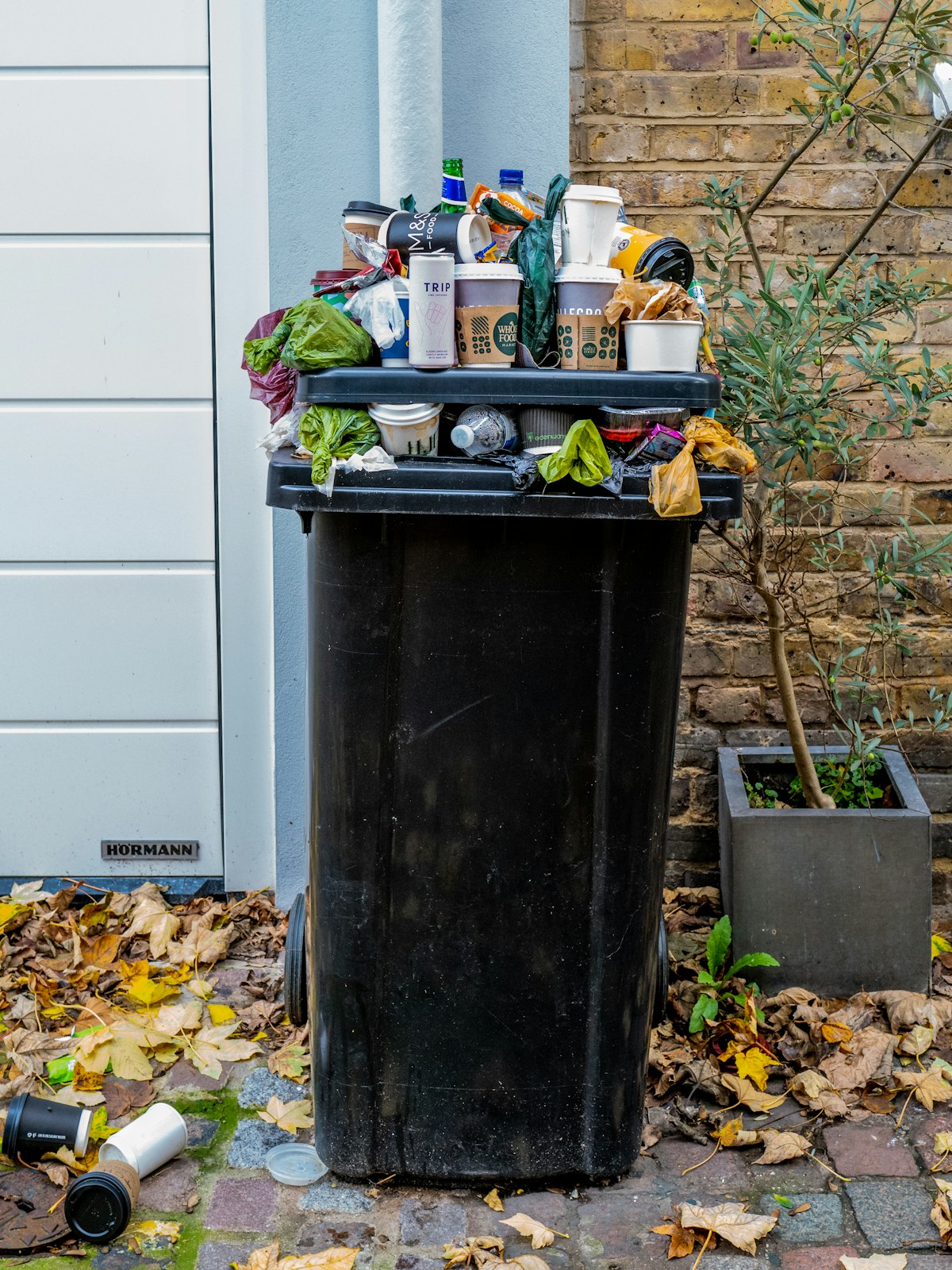
Before we talk about solutions, it helps to understand the sheer scale of the problem. The UK sends approximately 300,000 tonnes of textiles to landfill every single year. That figure does not include the clothing donated to charity shops, exported overseas, or incinerated for energy recovery. It represents garments and fabrics that go directly into the ground, where synthetic fibres can take upwards of 200 years to decompose.
The average British household discards around 30 kilograms of clothing and textiles annually. Much of this waste comes from fast fashion: cheaply made garments designed to be worn a handful of times before falling apart or falling out of trend. The environmental cost extends beyond landfill. Textile production accounts for roughly 10 per cent of global carbon emissions, uses vast quantities of water, and introduces microplastics into our waterways with every wash cycle.

These numbers paint a bleak picture, but they also clarify why the conversation around zero waste fashion matters. Every garment that lasts longer, every offcut that gets reused, and every purchasing decision that favours quality over quantity chips away at this mountain of waste.
What Zero Waste Fashion Actually Means
In its purest definition, zero waste fashion refers to design and production methods that generate no textile waste whatsoever. This typically involves pattern-cutting techniques where every centimetre of fabric is used in the final garment, leaving nothing on the cutting room floor. Some designers achieve this through geometric pattern pieces that tessellate perfectly, while others incorporate offcuts directly into the design.
However, we need to be honest: achieving absolute zero waste in any manufacturing process is extraordinarily difficult. Even the most conscientious producers generate some form of waste, whether that is thread ends, packaging materials, or energy consumption. When a brand claims to be entirely zero waste, it is worth asking exactly what they mean and where they draw the boundaries of that claim.
A more practical and honest approach is to think in terms of waste minimisation rather than absolute elimination. This means designing systems and processes that reduce waste at every stage, reuse what cannot be avoided, and ensure that whatever remains is recyclable or biodegradable.
How Ana Chic Minimises Waste in Practice
We do not claim to be a zero waste brand in the absolute sense. What we do claim is that our production model generates dramatically less waste than conventional fashion, and that we actively work to reduce it further. Here is how.
Yarn Offcut Reuse
Our artisans in Turkey work with yarn rather than flat fabric, which fundamentally changes the waste equation. Unlike cut-and-sew garments where offcuts are inevitable, crochet and knitting build garments stitch by stitch. The yarn that goes into a piece is the yarn that stays in the piece. When small amounts of yarn remain at the end of a project, our artisans incorporate them into smaller accessories, amigurumi toys, or decorative elements rather than discarding them. You can see this philosophy reflected in pieces like our Glow collection, where colour combinations often emerge from creative use of available materials.
Small Batch Production
Overproduction is one of the fashion industry's greatest sources of waste. Major brands routinely manufacture far more than they can sell, leading to unsold stock that gets destroyed, heavily discounted, or sent to landfill. We take the opposite approach: most of our pieces are made in batches of one. Each garment is crafted individually to order or in very small quantities, meaning we rarely have unsold inventory. This is slower, certainly, but it ensures that every piece we make has a home waiting for it. Browse our best sellers and you will notice that many items are genuinely one-of-a-kind.
Made to Last
The most effective way to reduce waste is to make things that do not need replacing. Our garments are constructed using traditional techniques that have proven their durability over generations. Hand-crocheted and hand-knitted pieces, when properly cared for, can last decades. The organic cotton and wool we use are chosen not only for their environmental credentials but for their longevity. A cardigan that lasts fifteen years replaces fifteen cheaply made alternatives that would otherwise end up in landfill.

Recyclable and Minimal Packaging
We package our products in recycled and recyclable materials. No plastic polybags, no excessive tissue paper, no branded boxes designed to impress and then be discarded. Our packaging protects your garment during transit and nothing more. It can go straight into your recycling bin or compost heap when you are done with it.
The Honest Truth About Zero Waste Claims
We think it is important to be transparent about the limitations of any zero waste claim. Our yarn suppliers use packaging. Our artisans use electricity. Shipping generates emissions. The labels inside our garments are made from materials that were manufactured somewhere. To pretend that our process generates literally zero waste would be dishonest.
What we can say with confidence is that our model produces a fraction of the waste generated by conventional fashion. By working with yarn rather than cut fabric, producing in tiny batches, reusing offcuts creatively, and choosing natural materials that biodegrade at end of life, we have built waste reduction into the very foundation of how we work.
We also believe in continuous improvement. We regularly review our processes, seek out more sustainable packaging options, and have open conversations with our artisans about how to use every last metre of yarn. Perfection is not the goal. Consistent, honest progress is.
What You Can Do
As a consumer, your choices carry real weight. Buying fewer, better-made garments is the single most impactful thing you can do to reduce textile waste. Caring for your knitwear properly extends its life significantly. Choosing brands that are transparent about their processes, rather than those that hide behind vague sustainability claims, sends a clear market signal.
You can learn more about the values that guide everything we make on our story page. And if you have questions about how any specific piece is made, we are always happy to share the details. Transparency is not a marketing strategy for us. It is simply how we think fashion should work.
Zero waste fashion may be an ideal rather than a current reality for any brand, but every step towards it matters. The 300,000 tonnes of textiles heading to UK landfills each year will not disappear overnight. But it can shrink, one thoughtfully made garment at a time.